CIP Vs. KYC in Banking: Key Differences and How They Work
Accelerate AML Compliance: Meet Regulatory Demands with 80% Less Setup Time
Two key tools that banks use to achieve customer identity verification are the Customer Identification Program (CIP) and Know Your Customer (KYC). Although they sound similar, they serve different purposes.
Key Takeaways
- What is CIP in finance?
- What is KYC in banking?
- How CIP and KYC differ - CIP vs KYC
- How do banks use CIP and KYC together effectively?
What is Customer Identification Program (CIP)?
CIP is the abbreviation of Customer Identification Program and it is a rule under the CIP Rule issued by the Financial Crimes Enforcement Network, and this rule requires banks to collect specific details from customers like their full names, accurate address, and their ID number.
The purpose of the CIP Rule is to guarantee that no anonymous accounts are open, which in turn serves or feeds into fraud detection and AML compliance purposes.
CIP Requirements for Banks
Of course, there are many aspects related to the CIP process or the customer identification program requirements, but generally speaking, the primary CIP requirements for banks are:
- Collecting Information
- Verification Methods
- Record Keeping
Read more: AML Vs KYC: The Difference and Importance for Sanctions Screening
What is Know Your Customer (KYC)?
Know Your Customer (AKA KYC) is the first interaction between the customer and the financial institution, during which the latter gets to know the customer closely and what kind of financial activities the customer has been and might be involved in. The KYC process continues as long as the individual, entity, or firm is a customer of the institution.
KYC Compliance Requirements
- Ongoing Monitoring
The Customer Identification is the CIP part, where banks verify who the customer is, whereas the Customer Due Diligence checks the customer’s background, business, and how they make their money.
How CIP Fits into a Larger KYC Program
CIP is just one part of the bigger KYC picture. It’s important to see how CIP works with other KYC activities to create a full compliance program.
- Integrating CIP and KYC: Best practices include using automated tools to handle CIP and integrate it with ongoing KYC efforts. This helps in managing both initial verification and ongoing monitoring.
- Using Automation Tools: Tools like FOCAL can help streamline both CIP and KYC processes, making them more efficient and reducing errors.
Comply quickly with local/global regulations with 80% less setup time
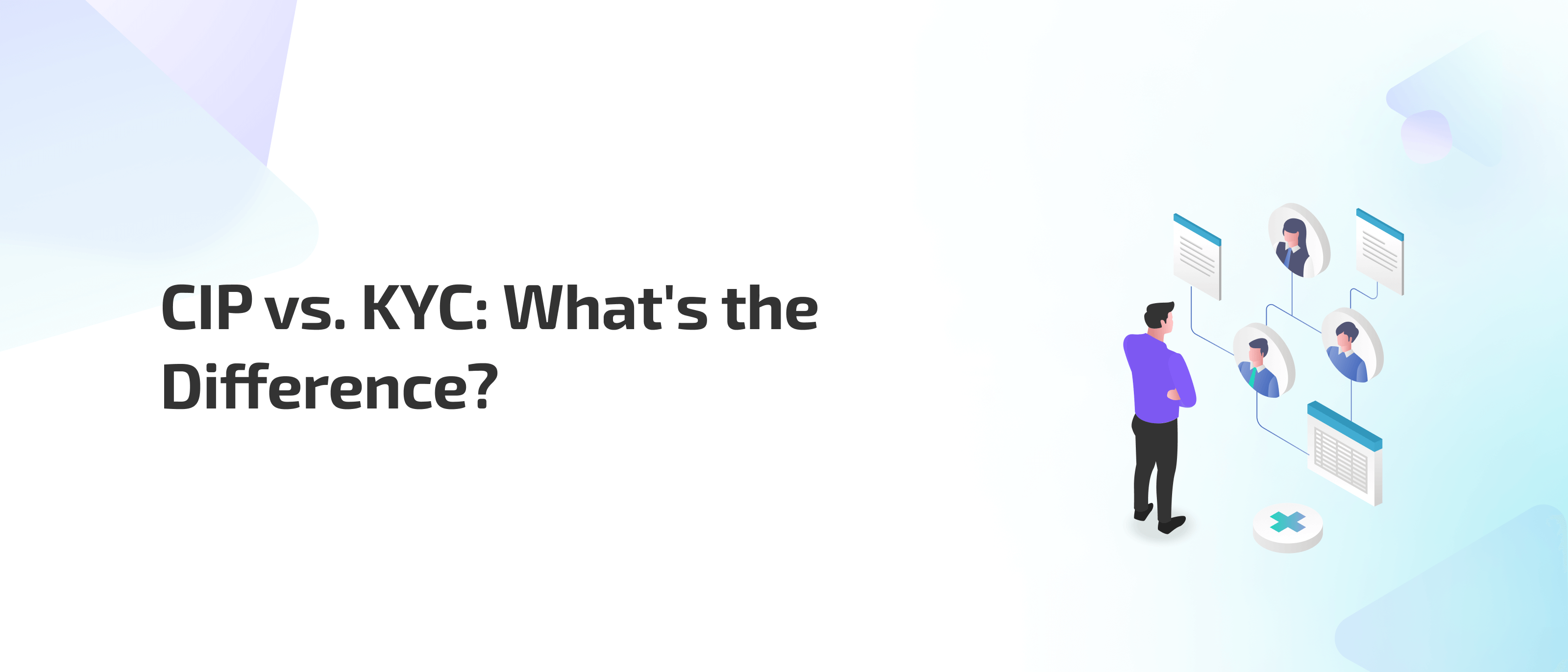
CIP vs KYC: What’s the Difference?
The debate between CIP vs. KYC isn't just about comparing two processes; it’s about understanding how each plays a unique role in shaping a comprehensive anti-fraud strategy. While KYC provides the ongoing surveillance of customer behavior, CIP acts as the critical entry gate, ensuring every new account starts with a verified identity.
CIP vs. KYC: Key Differences
The primary goal of CIP is to ensure that the bank knows the true identity of its customers before allowing them to use its services. The goal of KYC on the other hand, is to build a comprehensive profile of the customer, detect any suspicious activities, and ensure that the customer’s transactions are consistent with their known financial behavior.
The following table explores the key differences between KYC and CIP.
How CIP and KYC Work Together
CIP and KYC are not standalone processes but work together to create a robust compliance framework. Integrating KYC with CIP constructs a dynamic framework and incorporating CIP in KYC means starting with a firm foundation of identity verification before building a detailed profile of the customer’s financial behavior.
- CIP as the Foundation: CIP provides the initial verification of customer identity, which is the foundation for all further KYC activities.
- KYC Builds on CIP: Once the customer’s identity is confirmed through CIP, KYC takes over to monitor ongoing activities and assess risk. This includes tracking transactions, understanding the customer’s financial behavior, and updating their risk profile as needed.
CIP and KYC Integration Example:
- Initial Account Opening: CIP ensures that the customer is genuine and provides necessary identification.
- Ongoing Relationship: KYC then monitors the customer’s transactions and behavior to ensure they align with their known profile and to detect any suspicious activity.
How to Better Comply with CIP Requirements?
To better comply with CIP requirements, using FOCAL's AML Compliance Solutions can make a big difference. FOCAL AI-powered system, including customer identification software, helps verify people's identities by checking their details against trusted government registries or other reliable sources.
For national ID verification, FOCAL integrates with official databases to confirm IDs accurately. They also offer commercial registration checks to ensure businesses are legitimate by cross-referencing with authoritative databases. Additionally, their platform validates IBANs to make sure bank account details are correct and verifies addresses through regional address databases.
FOCAL also provides customer screening to identify high-risk entities by scanning over 1300 watchlists, including sanctions and adverse media. All these tools work together to make CIP compliance smoother and more reliable.
Read more: The Best 10 KYC Software Solutions in 2024 Reviewed
Conclusion
The relationship between CIP and KYC is important for both compliance and risk management and a practical CIP and KYC example can be seen in how banks implement a customer identification process that complies with KYC CIP requirements, and this reduces potential fraud. In many institutions, CIP checks are automated by using customer identification program software.
Most businesses invest in customer identification software to streamline the onboarding process and to make sure they don't get fined or penalized because it is the customer identification software that makes complying with regulatory requirements easy and accurate.
In addition to that, banks must maintain a written CIP document that includes details and guidelines in regard to the acceptable identification methods and the information required from customers during the onboarding process.
FAQs: CIP vs KYC
Q1. What Components Complete the KYC Program?
To finish a KYC (Know Your Customer) program, you need a few key pieces. First, you gather basic details about the customer, like their name and address. Then, you verify these details with official documents, such as a passport or driver's license. Next, you check if the person has any suspicious connections or if they are involved in any risky behavior. Finally, you keep records of everything and regularly update the information to make sure it stays accurate.
Q2. What is the CIP Verification Process?
The CIP (Customer Identification Program) verification process is all about confirming who your customer really is. You start by collecting personal information from the customer. Then, you compare this information with official documents to make sure it matches. This could be a photo ID or utility bills. You might also use online databases to check their identity further. The goal is to make sure the person is who they say they are and to prevent fraud.
Q3. What Does CIP Due Diligence Mean?
CIP due diligence means taking extra steps to make sure your customer's identity is solid and trustworthy. It’s not just about collecting information but also about carefully checking and verifying it. You need to look into their background, any potential risks, and make sure everything checks out. This helps in preventing fraud and ensuring that you’re dealing with a legitimate person or business.





.jpg)
.jpg)
.jpg)